Yellow Level
Lesson Sixteen
Direct and Indirect Quotations
Direct Quotation (Direct Speech) |
“I need to go to the store,” said my wife. |
Indirect Quotation (Indirect Speech) |
My wife said that she needed to go to the store. |
Notice that “said” is in the past tense, so the verb “need” also becomes past tense.
There’s something called the “sequence of tenses” which is useful to look at now:
The Sequence of Tenses
Direct Speech  Indirect Speech
Present Past
Present Continuous Past Continuous
Past Past Perfect
Present Perfect Past Perfect
will would
can could
may might
examples
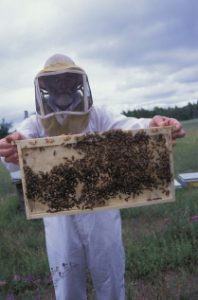
“I am a beekeeper.” | What did he say? He said he was a beekeeper. |
“I’m reading a book.” | What did he say? He said that he was reading a book. |
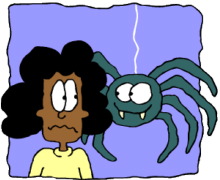
“I was afraid of spiders when I was a little girl.” | What did she say? She said she had been afraid of spiders when she was a little girl. |
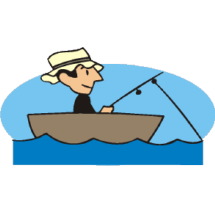
“I have been in this same spot for an hour and I haven’t caught a thing.” | He said that he’d been in that same spot for an hour and he hadn’t caught anything. (he’d been = had been) |
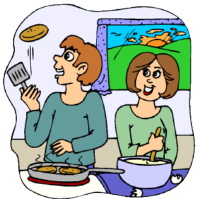
“We enjoy making breakfast together.” | They said that they enjoyed making breakfast together. |
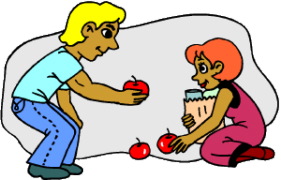
“I’ll help you pick them up.” | He said he would help her pick up the apples. |
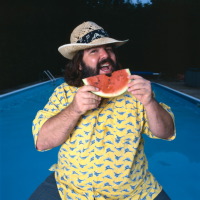
“He can eat an entire watermelon,” his wife said. | His wife said that he could eat an entire watermelon. |
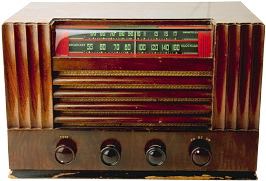
“This radio may be over 70 years old,” said the owner of the antique shop. | The owner of the antique shop said that the radio might be over 70 years old. |