Yellow Level
Lesson Ten
Modal verbs
Modal Verb | Picture | For example in a sentence | ||||||||||
can: possibility and ability | 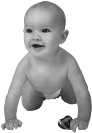 | This baby can crawl.
negative contraction: can’t crawl | ||||||||||
will: future
| 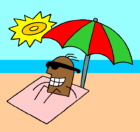 | He will go to the beach later today.
negative contraction: won’t go | ||||||||||
shall: possibility and future possibility | This sounds so formal that I recommend you not use it. Shall is not popular. (One less word to remember!) | Your teacher suggests that you don’t use shall if your interest is in American English. 98 % of the American public doesn’t use it. It sounds very formal. It sounds too formal. (blech!) | ||||||||||
may: possibility and permission | 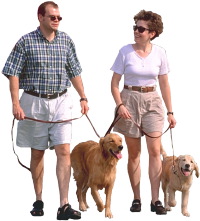 | 1. (future possibility) They may walk their dogs this afternoon. 2. (Asking permission) A: May I walk your dog? B: Yes, you may.
negative: may not walk (don’t contract this one!) | ||||||||||
could
|  | When I went out to eat last night, I couldn’t read the signs because they were in Chinese.
negative contraction: couldn’t read | ||||||||||
would: past tense of “will”
| 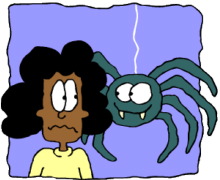 | She wouldn’t touch the spider she saw earlier this morning because she was afraid of them.
negative contraction: wouldn’t touch | ||||||||||
should: recommendation and a good idea. (Related to “shall” but much better and easier to use.) |  | He should be careful on those rollerskates because he could fall.
negative contraction: shouldn’t be | ||||||||||
might: possibility (use instead of “may” in some cases) | 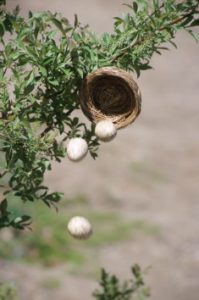 | These eggs might break when they hit the ground. In fact, they’ll probably break unless they land on something soft.
negative: might not break (don’t contract!) | ||||||||||
must: necessary and important |  | They must attend this important meeting.
negative: must not attend (a contraction here is okay, but it sounds formal and it sounds British. Most Americans try not to sound like they have a British accent, but you may use the contraction if you want to) | ||||||||||
Remember: Modal verbs are followed by the main verb in simple form. I must go. He must be tired. They should eat. | ||||||||||||